That Tiny Windshield Chip? Here’s How It Quietly Turns Into a Big, Risky Problem
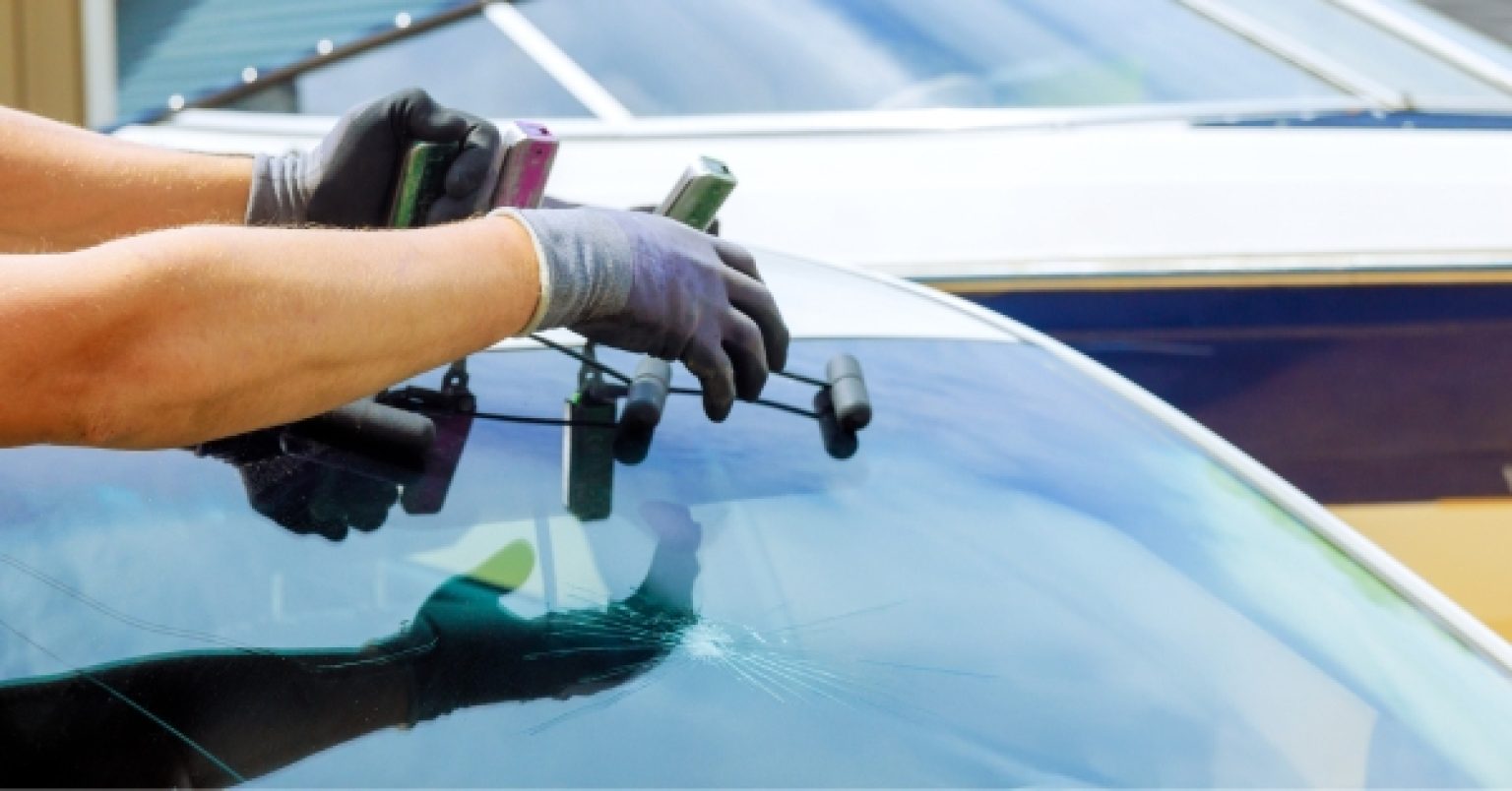
At first glance, a speck-sized chip looks harmless, almost like a bug mark a wiper missed. Then a cold night, a hot afternoon, or one pothole later, a slender crack starts crawling across the glass. What began as a cosmetic blip can quickly threaten visibility, safety tech, and the structural strength of the vehicle’s front end. The tricky part is how subtly it escalates, turning a cheap, quick fix into a stressful, expensive replacement.
Why a Tiny Chip Isn’t Tiny for Long-and When Phoenix Windshield Replacement Becomes Inevitable
It takes surprisingly little for a chip to grow because a windshield lives a tough life under constant stress. The glass is a laminated sandwich designed to flex with the body, absorb vibration, and resist impacts-and that stress concentrates around damage. Even a pinpoint flaw creates a weak zone where micro-fractures can radiate like hairlines in cracked ice. This is why a chip often expands suddenly, even when the car is just sitting in the driveway.
Temperature swings are the classic accelerant, and Phoenix drivers know them well. Heat makes glass expand; cooler evening air makes it contract; and the chip acts like a hinge that bends and fatigues the surface. Parked in the sun, then blasted by the A/C, the glass experiences a mini tug-of-war that can turn a dot into a zigzag. Once a crack starts, it rarely stops on its own without proper repair.
Then there’s everyday motion-road vibration, steering inputs, braking, and even closing a car door can deliver enough shock to lengthen a fracture. Wind pressure at highway speed pushes outward while the body flexes over uneven pavement, and the chip is the path of least resistance. Drivers often report a sudden “tick” sound moments before a line appears. That sound is the audible cue that stress has finally found its way through the glass.
Heat, Vibration, and Time: The Crack-Causing Trio Behind Spreading
Sun-baked dashboards and superheated interiors aren’t just uncomfortable; they’re hostile to compromised glass. The top layer of a windshield can heat faster than inner layers, building internal stress that seeks relief. A chip becomes a vent for that tension, and the result is a crack that seems to sprout out of nowhere. Extreme heat doesn’t create chips, but it absolutely exposes them.
Vibration adds the drumbeat that keeps stress cycling through the weak spot. Freeways, construction zones, and washboard side streets send waves through the windshield frame. Even a perfectly installed windshield is designed to flex slightly, so microscopic splits open and close until one finally propagates. The longer a chip sits, the more chances vibration gets to test it.
Time finishes the job because contaminants sneak in and make repairs less effective. Dust, moisture, and road film seep into the damaged edges, reducing the bond that resin can achieve later. That’s why a fresh chip usually repairs cleaner and becomes nearly invisible, while an older chip tends to leave a faint scar. Acting quickly is not about panic; it’s about preserving the best repair outcome.
Vision and Safety Tech at Risk When Chips Spread
A crack isn’t just ugly; it can bend light and create flares and glare during night driving. When headlights or low sun hit a fracture, the light scatters and distracts the eyes, forcing extra focus and slower reaction time. Even a small star-break in a critical sightline can add split-second hesitation that drivers don’t want in traffic. Clear glass equals clear decisions, and chips complicate that equation.
There’s also real structure in play because the windshield helps support the roof and directs airbag deployment. In many vehicles, front airbags rely on the windshield to form a solid barrier so they cushion correctly. A weakened bond or spreading cracks can compromise that assistance under severe impact. It’s not dramatic to say a healthy windshield is part of the restraint system.
Modern driver-assistance cameras and sensors typically live behind or near the glass, and they expect a stable, undistorted view. Chips near the camera zone can skew readings, and any windshield replacement requires calibration so lane-keeping and emergency braking work as intended. That’s why reputable shops combine replacement with ADAS calibration, restoring the tech to factory spec. Skipping calibration can feel fine-until the one moment precision truly matters.
The Real Costs of Waiting on a Chip: Repair vs. Replacement
Most drivers understandably think about cost first, and the math often favors prompt action. Chip repairs are fast, inexpensive, and preserve the original factory seal when done early. Replacement becomes necessary once a crack spreads, especially across the driver’s view or to the edge of the glass. The price gap between a quick repair and a full replacement grows even wider with ADAS calibration in the mix.
Insurance can help, but deductibles and policy rules vary, and time still matters for visibility and safety. Many carriers cover chip repair at low or no cost, precisely because it avoids a much bigger claim later. For drivers paying out of pocket, a clean, early repair usually beats waiting and hoping. To make the comparison clearer, here’s how the numbers typically shake out in 2025 for Phoenix drivers.
| Item (Phoenix, 2025 estimates) | Typical Range | Notes |
|---|---|---|
| Chip repair (single impact) | $80-$150 | Often covered by insurance with minimal out-of-pocket |
| Chip repair (multiple/complex) | $120-$200 | Higher if cracks radiate or contamination is present |
| Windshield replacement (non-ADAS) | $300-$600 | Varies by make, model, and glass grade |
| Windshield replacement (ADAS-equipped) | $800-$1,500+ | Premium models and sensors can push costs higher |
| ADAS camera recalibration | $200-$400 | Required after most replacements to restore safety features |
| Insurance deductible (comprehensive) | $250-$500 typical | Varies by policy; chip repair may bypass deductible |
| Service time: chip repair | 30-45 minutes | Often mobile; quick cure with UV resin |
| Service time: replacement + calibration | 2-4 hours | Includes safe-drive-away cure and camera alignment |
In short, the comparison favors early fixes: faster visits, lower bills, and better odds of a nearly invisible outcome. Delays tend to compound costs because cracks rarely rewind, and calibration becomes non-negotiable the moment glass is replaced. The peace of mind is not just about money; it is also about avoiding harm to safety systems and nighttime visibility. For most drivers, the cheapest day to deal with a chip is the day it appears.
Simple Steps to Act Fast-Without Stress
First, stabilize the chip by keeping it clean and dry until a pro can inspect it. A simple piece of clear tape can block dust and moisture from creeping in, which helps the resin bond later. Avoid blasting the defroster directly at the damage or slamming doors that flex the glass. Think of it as pausing the clock until the repair happens.
Next, snap a quick photo and note the location relative to the driver’s sightline and the glass edge. Chips directly in the camera or wiper sweep zones deserve faster attention because they are more likely to grow and distract. If temperatures swing wildly, consider shaded parking or a windshield shade to reduce stress on the area. Small choices in the first 24-48 hours can make a visible difference in the results.
Finally, book a visit-mobile or in-shop-before the week gets away. Many reputable providers in Phoenix offer same-day or next-day slots, and mobile service trims the hassle to nearly zero. If the car has ADAS, confirm that calibration is included with any replacement quote. One well-planned appointment can take a chip from headache to handled.
Step-by-step game plan to stay ahead of a spreading crack:
- Cover the chip with clear tape to keep out moisture and grit.
- Limit temperature swings—use a shade, park in a garage, and avoid extreme defrost blasts.
- Take photos and measure if a crack is lengthening to report accurate details.
- Schedule a professional evaluation promptly; ask about repair vs. replacement criteria.
- If replacement is needed, verify ADAS recalibration and safe-drive-away timing.
Quick don’ts that make cracks worse:
- Don’t pour hot water on a frosty windshield or hit it with max heat immediately.
- Don’t press on the damaged area or slam doors that add shock to the glass.
- Don’t delay if the chip sits in the driver’s view, near the edge, or in a camera zone.
When Repair Beats Replacement-and When It Doesn’t
Generally, smaller chips away from edges and not in the driver’s primary sightline are strong repair candidates. The sweet spot is fresh damage with minimal contamination and no branching cracks longer than a few inches. If a crack touches the edge, crosses the driver’s view, or keeps growing, replacement becomes the safer call. Pros follow clear criteria to choose the right fix, and those criteria protect visibility as much as the glass itself.
For Phoenix-area drivers juggling work, kids, and heat, mobile service can be a time-saver. Some providers add extra confidence with lifetime workmanship warranties and clear calibration protocols for ADAS-equipped cars. That combination—quality glass, expert installation, and validated camera alignment—reduces repeat visits and restores factory intent. Convenience is great, but consistency and calibration are the real wins.
Those who prefer browsing options online can even start with a location-specific search to find vetted help. A single tap on a trusted resource for windshield replacement phoenix often reveals mobile scheduling, free quotes, and warranty details in one place. From there, it’s easy to confirm whether a chip qualifies for repair or if replacement is the safer path. One smart search can turn an iffy chip into a solved problem before it becomes a crack across the dash.
Closing Thoughts on Phoenix Windshield Replacement and Safety
A windshield chip looks like a tiny inconvenience, but it’s actually a stress magnet living in a hot, vibrating environment. Left alone, it threatens clear sightlines, structural support, and the precision of modern safety tech. Taken care of early, it’s quick, clean, and comparatively cheap—and often invisible once repaired. In a city of big heat and bigger highways, treating that chip today is the shortest road to safer miles tomorrow.