Tiny Toes, Big Steps: When to Start Forefoot Adduction Care and What Happens Next
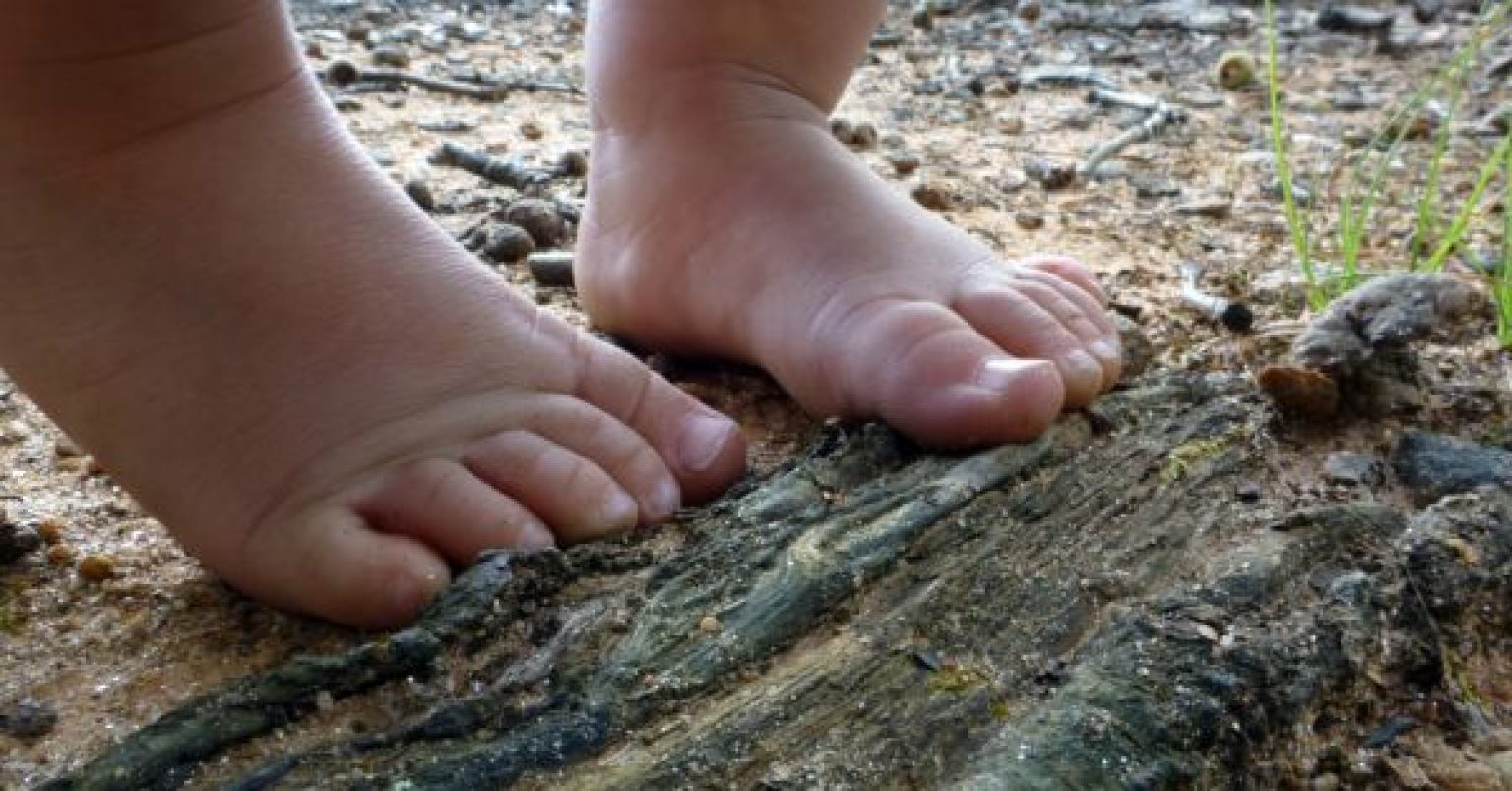
Parents often first spot forefoot adduction when a baby’s toes drift inward, making tiny feet look slightly curved instead of straight. It can feel worrying in the moment, but the condition is common, and gentle early care usually guides the foot back on track. Most plans are simple, baby-friendly, and designed around everyday routines like naps and feeds. With a clear timeline and steady follow‑through, results tend to build week by week in a way that feels reassuring and practical.
What Is Forefoot Adduction? A Clear Look at Forefoot Adduction Treatment for Babies
Forefoot adduction describes a foot shape where the front of the foot angles inward relative to the heel, giving footprints a “C‑shaped” look. In many babies, the soft tissues on the inner side of the foot are a bit tight, while the outer side is a touch looser, nudging the toes inward. Some cases are flexible and straighten easily with a gentle stretch, while others feel stiffer and ask for more structured support. Knowing whether a baby’s foot is flexible or rigid is a key starting point because that guides how proactive care should be.
This isn’t a pain problem for most infants; it is primarily an alignment pattern that shows up in the first months of life. The heel usually points straight ahead, which helps distinguish it from other conditions like clubfoot that involve multiple segments of the foot. Because babies grow fast and tissues remodel quickly, the window for simple, effective correction is wide open in early infancy. The earlier the care team is clear on the type and severity, the easier it is to map out a calm, steady plan.
Care plans tend to focus on guiding the forefoot toward a neutral line while preserving natural movement. That can include hands‑on stretching, soft corrective footwear, or low‑profile braces that fit inside tiny socks. Consistency matters more than intensity here, so light, frequent positioning wins over rare, forceful attempts. The goal is to pair healthy motion with gentle alignment, keeping comfort front and center.
When to Start Care: Signs, Ages, and the Best Gentle Timing
Most families first notice the curve in the newborn period or at the first well‑baby visit. If the foot is flexible and easily corrects with a soft push, many clinicians begin with parent‑guided stretches and positioning cues. When a baby is a few weeks to a few months old, tissues are remarkably responsive, so light guidance often goes a long way. If stiffness stands out or progress stalls, a more structured device is considered sooner.
Typical red flags that call for a closer look include a forefoot that resists gentle correction, asymmetry between feet, or no change after a few weeks of consistent stretching. In those scenarios, early use of a corrective shoe, splint, or brace can speed alignment while motion remains easy and playful. Starting earlier generally means shorter plans and less intensive wear schedules later on. That timing also aligns with normal developmental milestones, so rolling and kicking stay right on cue.
For babies first seen around four to six months, plans still work well, though they may run a little longer to unlock stiffness. Past six months, firmness in soft tissues may ask for steadier daily wear and closer check‑ins to track gains. The theme stays the same: light, repeatable guidance stacked over time beats a single big push. Small steps add up, and progress becomes easier to see in diaper‑to‑diaper snapshots.
How Treatment Works Day to Day: Simple Routines That Stick
Daily care usually blends three pieces: short bursts of gentle stretching, a comfortable corrective device if prescribed, and playful movement that keeps ankles and toes exploring space. Stretches commonly happen during routine changes, when a baby is calm and limbs are already free. If a brace or special shoe is part of the plan, it’s worn for set blocks that fit around naps and feeds. Think rhythm over rigor: frequent, calm sessions win the day.
Families researching options often land on resources that explain methods, timelines, and what follow‑ups look like, including forefoot adduction treatment for babies. The focus is on steady correction without blocking natural movement or development. Many modern devices are slim enough to fit under regular socks or soft booties, which helps with comfort and consistency. When comfort is high, adherence climbs, and results typically arrive faster.
Follow‑ups check fit, skin, and range of motion, adjusting wear schedules as alignment improves. Early on, visits may be more frequent; as the curve relaxes, intervals usually stretch out. Tracking tiny wins-like a straighter footprint or easier forefoot mobility-keeps motivation high. Over time, plans shift from active correction to maintenance, guarding gains while growth surges ahead.
Typical Timelines and What Parents Often Notice Along the Way
Timelines vary with age at start, stiffness, and how consistently the plan is followed. Many flexible cases show visible change within weeks, with refined alignment continuing over a few months. Stiffer patterns take longer, yet steady, gentle pressure still tends to win. In practice, early gains arrive quietly-more flexible toes, a smoother foot outline-before the footprint looks straight on in photos.
In short, earlier starts usually mean gentler, shorter plans, while later starts need a bit more structure and patience. Most schedules begin with a focused correction phase, followed by a lighter maintenance phase to protect results. Regular check‑ins help fine‑tune fit, check skin comfort, and celebrate progress. To see the differences more clearly, the snapshot below sums up common patterns seen in day‑to‑day care.
| Start age (approx.) | Common approach | Typical daily wear (early phase) | Check‑in frequency | Expected early changes | Maintenance phase |
|---|---|---|---|---|---|
| Newborn-6 weeks | Stretching + soft corrective device if stiffness noted | Often 20-23 hrs/day for 2-6 weeks, device‑dependent | Every 1-3 weeks | Rapid flexibility gains; visible footprint straightening | Night/nap wear 1-3 months |
| 1-3 months | Guided stretches + low‑profile brace or shoe | Commonly 16-22 hrs/day for 4-8 weeks | Every 2-4 weeks | Steady toe realignment; improved midfoot mobility | Night/nap wear 2-4 months |
| 4-6 months | Structured brace wear; targeted stretching | Often 18-23 hrs/day for 6-10 weeks | Every 3-5 weeks | Consistent but slower correction; stiffness eases | Night/nap wear 3-6 months |
| 7-12 months | Brace wear with close fit checks; possible casting if very rigid | Typically 20-23 hrs/day for 8-12+ weeks | Every 3-4 weeks | Gradual change; function improves first, shape follows | Night/nap wear 4-6+ months |
After looking at the numbers, the big takeaway is that consistency beats speed-small, regular sessions stack into visible change. Comfort and good fit drive consistency, so those details get priority at each check‑in. The maintenance phase matters, too, not as a repeat of early intensity, but as a light guardrail while the foot grows. Over months, alignment shifts feel less like an event and more like the new normal.
Comfort, Fit, and Keeping a Baby Happy Throughout Care
Comfort begins with smart sizing and snug, not tight, straps; a clean sock layer helps reduce friction. Skin checks at bath time catch any redness early, and quick strap tweaks solve most hotspots on the spot. A happy baby moves more, and more movement pairs perfectly with gentle alignment to speed progress. Small routine touches-like adjusting fit after a big feed or before a nap-keep days smooth.
Pro Tip
Pair care with predictable moments-diaper changes, bedtime songs, or post‑bottle cuddles-so alignment work blends into rituals a baby already loves. That rhythm makes the plan feel light instead of interruptive. When care rides along with comfort cues, consistency rises without a tug‑of‑war. The result is fewer skipped sessions and steadier gains.
Playtime doubles as therapy: toe‑to‑toy reaches, tummy time, and side‑lying kicks nudge range of motion without forcing it. Tucking short stretch bursts inside those games keeps attention high and fuss low. Little wins-like an easier outward glide of the forefoot-tend to show up first during play. Those moments are useful markers that the plan is doing exactly what it should.
Common Questions, Simple Answers Parents Appreciate
How long does it take to see change? Flexible feet can show shifts in a few weeks, with shape refining over a couple of months; stiffer feet take longer but do move. Will a brace affect milestones? Devices are designed to allow motion, so rolling and sitting usually stay on track, with plans adapted as skills emerge. The arc is steady: first flexibility, then a straighter look, and finally a hold‑steady maintenance phase.
What about shoes? In infancy, soft, roomy socks or booties are usually enough, and special corrective shoes are used only if part of the plan. Do both feet need care if only one curves? Only the affected side is typically guided, though comparison checks help track symmetry. Each foot writes its own story, so timelines may differ even between two tiny feet in the same home.
How strict are wear schedules? Early phases lean structured to unlock stiffness, then lighten as alignment holds. Check‑ins tailor the plan, easing hours when signs stay strong and nudging them up if progress plateaus. It’s a responsive process, with comfort and results trading notes at every step.
Quick checklist of day‑to‑day signals that care is on track:
- Forefoot moves outward more easily during gentle stretches.
- Footprint looks a little straighter in weekly photos.
- Redness from straps fades quickly after adjustments.
- Baby moves and plays comfortably during wake windows.
- Check‑ins lead to small fit tweaks rather than major resets.
Simple comfort upgrades many families like to use:
- Seamless, breathable socks under any device to reduce friction.
- Short, frequent stretch sessions instead of one long session.
- Play‑based positions-tummy time and side‑lying-to promote natural range.
- Photo checks at the same angle each week to spot quiet improvements.
- Gentle moisturizers away from strap areas to keep skin happy.
Wrapping Up: Forefoot Adduction Treatment for Babies in Perspective
Forefoot alignment in infancy is one of those areas where small, steady actions create outsized change. Early starts and comfortable tools open the door, while consistency walks through it day after day. Most families see the earliest wins in flexibility, with shape following right behind as weeks add up. The journey is measured in calm routines, not dramatic moments-and that’s a good thing.
Looking back after a season of growth, photos tend to tell the story: a softer curve, a straighter imprint, a baby moving with easy curiosity. Maintenance keeps those gains steady while feet-and futures-expand. Because plans are tailored, timelines differ, but the north star stays the same: gentle guidance that fits real life. In the end, the best plan is the one a baby barely notices and a caregiver can repeat without thinking twice.
For anyone hearing the phrase “forefoot adduction treatment for babies” for the first time, it may sound technical, but the day‑to‑day feels surprisingly ordinary. Stretch here, cuddle there, a quick fit check, and back to play. With comfort prioritized and follow‑ups fine‑tuning the details, tiny toes tend to find their straight‑ahead path. Step by step, that path becomes a habit-and then, simply, the new normal.